A strong home security system in Toronto needs more than a camera aimed at your front step. You want layers that make it hard to get in, easy to spot trouble, and simple for you to control from anywhere. When those layers work together, they do a better job of protecting the people and spaces you care about.
As summer trips, cottage weekends, and nights out become more common, more homeowners are starting to see the gaps in a camera-only setup. In this article, we will walk through what a layered system looks like, how it fits real Toronto homes and condos, and how smart tech, physical security, and monitoring all link together.
Layered Protection That Actually Stops Break-Ins
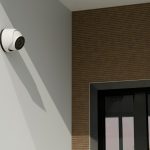
Many Toronto homeowners start with a video doorbell or one visible camera. It feels like a good step, until they realize that a camera only records what happens in front of it. If someone finds a blind spot at the side door, the laneway gate, or the basement walkout, that shiny front camera may not do much to stop them.
A layered home security system in Toronto focuses on stopping trouble early, not just recording it after the fact. That means combining:
- Strong physical barriers
- Smart devices that talk to each other
- Reliable monitoring and alerts
- Ongoing support and adjustments as your life changes
When all of these layers work together, a stranger has to get through several lines of defence, not just around a single lens.
Why Cameras Alone Are Not Enough in Toronto
People who break into homes in a big city often expect cameras. Many simply cover their faces, keep their heads down, and look for the weak spots that are not being watched.
Common gaps we see in Toronto include:
- Back laneways and narrow side yards with no lighting
- Basement walkout doors with old hardware
- Shared entrances in duplexes and rentals
- Underground parking access that leads to storage or back doors
City life also hides a lot of noise. Construction, traffic, and nightlife can mask the sound of a forced door or broken glass. During summer, there are more empty homes while families are away at cottages or out of town, which can make an unmonitored property even more tempting.
Cameras are still useful, but on their own, they are just one piece of the picture.
Strengthening the First Line of Defence at Home
Your first and strongest layer is still physical security. If doors and windows are weak, smart tech can only do so much.
We often look at:
- Solid exterior doors instead of hollow ones
- Quality deadbolts and reinforced strike plates
- Secure hinges and hinge pins on outward-swinging doors
- Reliable window locks, especially on ground level and basement windows
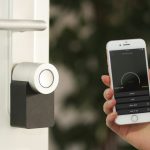
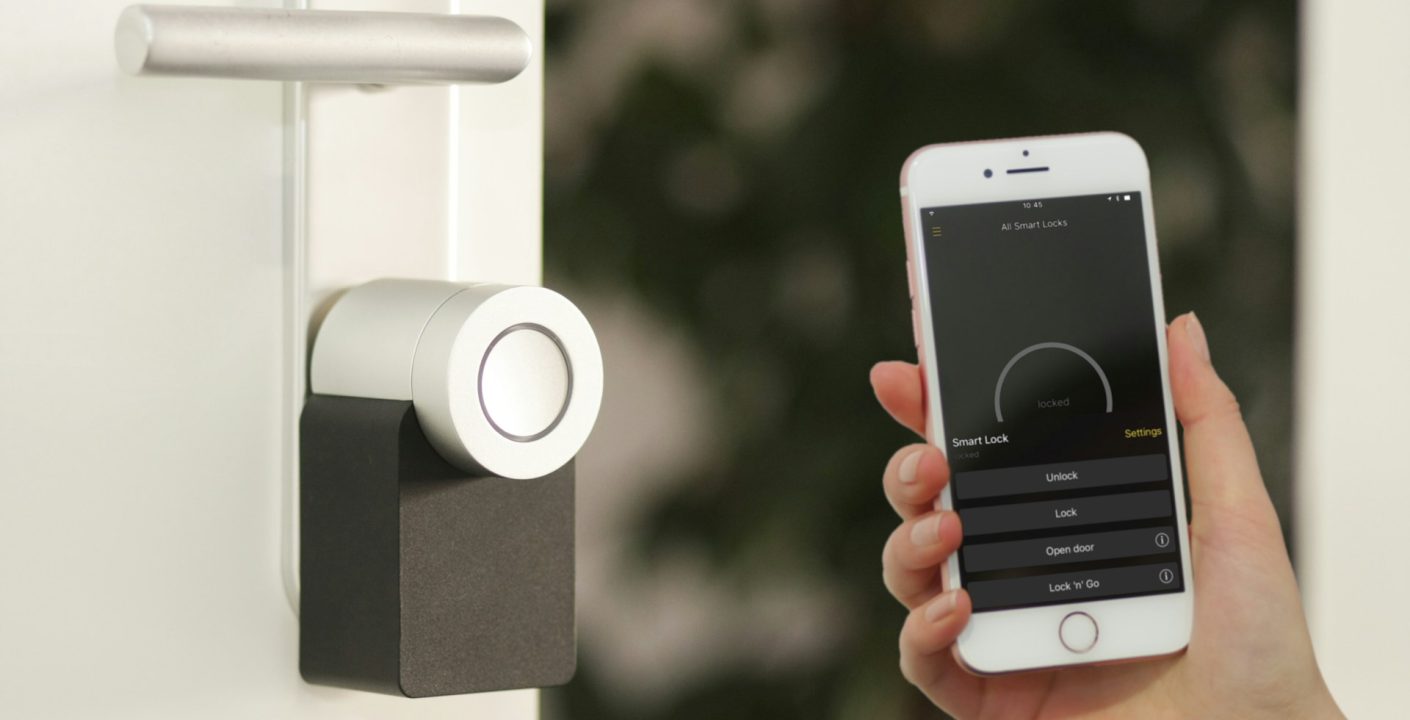
Smart locks are a great next step. With the right setup, you can:
- Use keyless entry so you are not hiding spare keys outside
- Give temporary codes to cleaners, dog walkers, or guests
- Check event logs to see who came and went and when
- Integrate the lock with your wider home security system in Toronto
Lighting is another quiet hero. Thoughtful lighting makes it harder for anyone to move around your property without being noticed. For many Toronto homes, this includes motion-activated lights in alleys and side yards, porch lights on timers, and exterior lighting that is planned around where your cameras and doors are.
Smart Tech That Works Together, Not in Silos
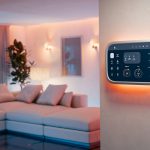
The next layer is smart tech that works as a team, not a bunch of separate apps that never talk to each other. A strong system usually links:
- Cameras and video doorbells
- Smart locks and garage door controls
- Glass-break sensors
- Window and door contacts
- Motion sensors inside and out
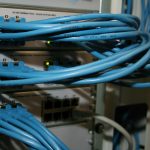
When these devices feed into a single platform, you can arm or disarm your system, see live video, check door status, and review alerts in one place. This is where a solid Wi-Fi and network setup matters. Many homeowners struggle with spotty backyard signals or garage dead zones when they use one small DIY router.
Professional-grade networking can give you:
- Reliable coverage to your backyard, laneway, and garage
- Secure remote access when you are away from home
- Fewer dropouts that leave cameras or sensors offline
In daily life, that means you can arm your system from your office, let a delivery driver into the front vestibule, check that the kids got home from school, or review an alert that actually means something, instead of constant pings that you start to ignore.
Choosing Monitoring, Alerts, and Backup the Smart Way
A modern home security system in Toronto should include a plan for who responds when something happens. There are two broad options: self-monitoring and 24/7 professional monitoring.
With self-monitoring, alerts come to your phone and you decide what to do. This can work when you are nearby and able to respond. Professional monitoring can add another layer, especially when you travel or are away from your phone for long periods. It can also matter for insurance, depending on your policy.
Power and internet outages are another key piece. We often plan for:
- Battery backups so systems keep running during short outages
- LTE or similar failover so alarms can still send signals without home internet
- Clean wiring and equipment placement that is harder to tamper with
Your notification strategy also matters. Too many alerts create noise, not safety. It helps to:
- Separate critical alerts from routine ones
- Adjust motion settings so small, harmless events do not trigger alarms
- Tailor alerts differently for condos, townhomes, and detached houses
Securing Condos, Rentals, and Mixed-Use Properties
Not everyone in Toronto lives in a detached home. Condos, rentals, and mixed-use buildings bring their own security questions.
Common trouble spots include:
- Shared front entrances and lobbies
- Underground parking and bike rooms
- Storage lockers and mail rooms
- Units used for short-term rentals
In these spaces, you may need to respect condo rules or a landlord’s limits while still improving security. That often means:
- Wireless sensors that avoid drilling into shared walls
- Non-invasive installs that work with existing doors
- Smart locks that fit current hardware
- Careful camera placement to protect your own door without watching neighbours
Where it is possible and allowed, unit-level systems can be set up to work smoothly with building systems. Clear education also helps you understand what is under your control and what belongs to the building.
Seasonal Strategies for Summer and Beyond
Toronto homes change with the seasons. In summer, people leave windows open, use back patios more, and go away for weekends. This can leave front entries and side gates unmonitored at the times when traffic around your home increases.
Smart seasonal settings can include:
- Vacation modes that arm more sensors when nobody is home
- Scheduled lights that turn on and off to mimic normal use
- Geofencing so the system reacts when the last person leaves or arrives
In winter, early sunsets and snowbanks can change how your cameras see the world. It can be helpful to adjust camera angles, lighting schedules, and sensor sensitivity as the months shift, so your layers keep working the way you expect.
A layered home security system in Toronto is not about one magic gadget. It is about combining solid physical security, connected smart tech, thoughtful monitoring, and seasonal tweaks that fit how you actually live. When those pieces line up, your home feels less like a target and more like a smart, safe fortress that quietly has your back.
Protect Your Toronto Home With Smart, Reliable Security Today
If you are ready to upgrade your peace of mind, we can design and install a tailored home security system in Toronto that fits your property and lifestyle. At Safe Touch Solutions, we take the time to understand your home, your routine, and your priorities, so your system works quietly in the background while you get on with your day. Talk to our team to review your options, compare features, and get a clear, no-pressure quote. If you have questions or want to schedule a visit, simply contact us and we will respond promptly.