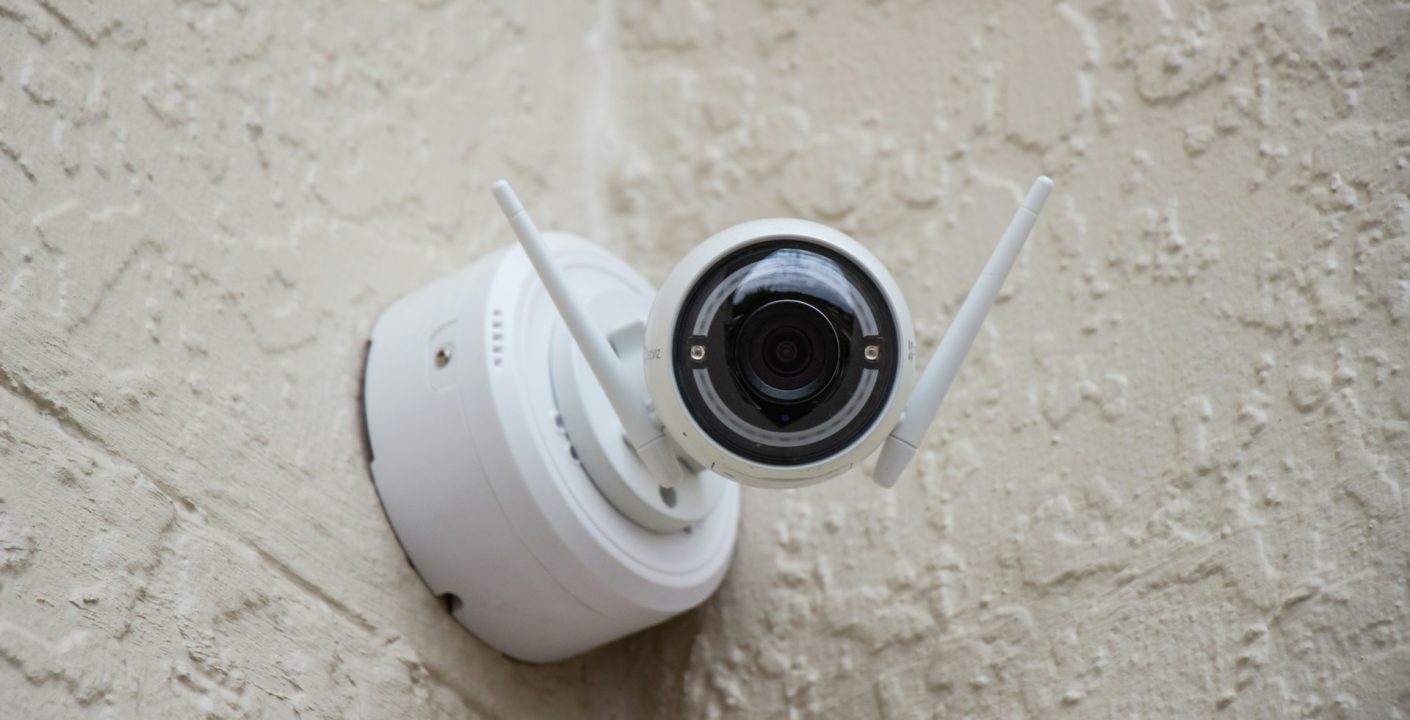
DIY security cameras look simple. You go to a big box store, grab a kit, scan a QR code, and your phone shows a live view of your front door. For many Toronto homeowners and small businesses, that feels like enough, especially as people plan trips, open patios, or spend more time away from home.
The problem is that security cameras only matter when something actually happens. That is when hidden technical, safety, and legal issues suddenly show up. A rushed or incomplete setup can leave you with gaps, frozen video, upset neighbours, or headaches with insurance, right when you thought you were protected.
Why DIY Security Cameras Can Cost You More
On the surface, DIY kits seem like an easy way to save time and money. They promise quick setup, simple apps, and wireless everything. It is very tempting to screw a camera to the wall and call it a day.
What most people do not see are the trade-offs behind that shortcut, like:
- Poor coverage that misses key areas
- Unreliable connections that stop recording without warning
- Footage that is too blurry or too short to help anyone
- Privacy angles that can upset neighbours or tenants
Cutting corners on security camera installation in Toronto does not just mean a less polished setup. It can mean the system fails at the exact moment you need it, or even creates new problems you never expected.
Hidden Technical Traps in DIY Camera Setups
Poor placement and coverage
Getting the right view is harder than it looks. Many DIY users:
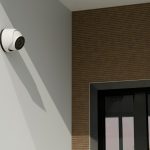
- Mount cameras too high or too low, so faces are distorted or blocked
- Aim at wide open areas and miss key pinch points like doors and gates
- Forget about back alleys, side paths, or underground parking entrances
Toronto’s mix of detached homes, semis, condos, and laneway spaces makes this even trickier. Shared driveways, narrow gaps between houses, and angled entrances can create blind spots. Seasonal changes like thick summer trees, heavy snow, or low sun can also wash out or block the image.
Connectivity and power problems
Wi-Fi cameras seem simple until the signal has to go through brick, concrete, or older plaster walls. Then you start seeing:
- Choppy or frozen video feeds
- Cameras going offline whenever someone streams TV or games
- Missed recordings when the signal drops for a few seconds
Power is another hidden risk. Extension cords, overloaded power bars, and low-quality adapters can lead to:
- Intermittent power loss
- Damaged equipment
- Fire and shock hazards
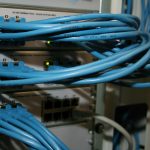
Professional systems are planned around clean cabling, proper power, and surge protection, so the system can grow and stay stable over time.
Storage, recording, and evidence quality
Many DIY camera kits ship with factory defaults that are never changed. That can mean:
- Low video quality to save space
- Short video storage that overwrites after only a short time
- Motion settings that start recording too late or stop too early
If something happens, you need clear, time-stamped footage that shows what, when, and where. That is what supports a police report or an insurance claim. Weak passwords and default logins are another risk, since they can let strangers watch or tamper with your cameras from outside your network.
Legal and Privacy Risks Most DIY Users Miss
Knowing what you can and cannot record
In Ontario, people have a basic expectation of privacy on their own property and inside their homes. DIY users often do not think about where their cameras are pointed. Risky angles can include:
- Aiming directly into neighbours’ yards, balconies, or windows
- Covering shared walkways that are not actually your property
- Recording indoor areas where visitors expect some privacy
Public streets that anyone can see from the sidewalk are usually less of a concern, but private spaces are different. Multi-unit homes and condos, especially shared corridors, can come with added privacy expectations.
Compliance for businesses and multi-residential buildings
If you own a storefront, office, or multi-unit building, cameras are not just about security. You may need to think about:
- Clear signage so people know they are on camera
- How long footage is kept and who can see it
- How clips are shared, stored, or downloaded
Posting camera clips online or sharing them without care can create legal and reputation problems. Professional security camera installation in Toronto should include thoughtful coverage and signage that respect privacy while still protecting your space.
Impact on liability and insurance
If there is an incident, lawyers and insurers may look at how your system was set up and how you handle video. Problems can include:
- Unlawful or questionable recordings that raise privacy issues
- Missing footage because of poor maintenance or bad settings
- Systems that do not meet expected safety or installation standards
On the other hand, a well-planned and documented installation can support your side after vandalism, theft, or a workplace issue.
Safety Hazards Behind the Ladder and Drill
Electrical dangers and code compliance
There is more inside a wall than just air. Drilling at random can hit:
- Electrical wiring
- Plumbing pipes
- Gas lines or HVAC components
DIY shortcuts like splicing cables, stuffing connections in walls, or using non-rated parts can lead to serious fire or shock risks. In Toronto, professional integrators are expected to follow the Ontario Electrical Safety Code and know when to bring in a licensed electrician for higher risk work.
Working at height and structural risks
Spring and summer often bring out the ladders. Typical DIY setups can involve:
- Standing on old or unstable ladders
- Leaning out of upper-storey windows
- Walking on roofs, soffits, or ledges that are not meant for foot traffic
Beyond injuries, cameras and cables mounted the wrong way can crack brick, damage siding, or pull out of soffits. Professionals use the right anchors, weatherproof fittings, and safe access methods to keep both people and buildings safe.
Weatherproofing for Toronto’s climate
Toronto gets humidity, heavy rain, sudden storms, ice, and freeze-thaw cycles. Cheap outdoor housings and open cable holes may not survive long. Poor weather sealing can cause:
- Moisture inside junction boxes
- Corroded connectors and waterlogged cables
- Random outages any time the weather changes
A properly installed system uses equipment rated for Canadian conditions and sealed connections that keep working year-round.
When DIY Backfires at the Worst Possible Time
Cameras that fail during real incidents
DIY systems often look fine when you open the app for a quick check. The real test is what happens when:
- There is a break-in over a long weekend
- A package goes missing from the porch
- There is an incident in a back alley at night
If recording stopped when the Wi-Fi crashed, or storage filled up just before the event, you are left with nothing useful. The emotional impact is real when you find out the system you trusted did not do its job.
Support, maintenance, and upgrades
Tech changes fast. Routers get replaced, apps update, and operating systems change. Without support, that can mean:
- Cameras dropping offline after every update
- Confusing error messages from different brands and apps
- No clear plan for adding more cameras or better storage
Professional providers handle ongoing support, maintenance, and upgrade planning, so your system grows with your needs instead of falling apart over time.
Smart home and IT integration
Many homes and businesses already have Wi-Fi gear, smart locks, and connected devices. Random DIY cameras can:
- Compete for bandwidth and slow everything down
- Open security loopholes on your network
- Fail to work properly with alarms, lighting, or access control
A unified design that brings electrical, IT, smart home, and security together is much safer and easier to live with.
How Safe Touch Solutions Makes Security Cameras Worry-Free
At Safe Touch Solutions, we look at each Toronto property, as a whole, not just spots to hang cameras. We assess entry points, building materials, lighting, neighbourhood risks, and existing wiring so coverage is purposeful, not random. That means planning views that avoid blind spots, respect neighbours, and still capture clear, useful footage.
We install commercial-grade equipment with proper cabling and mounting hardware suited for Canadian weather. Installations are completed with safety standards, electrical rules, and privacy best practices in mind. Before we leave, we test recording, alerts, remote access, and backups so you know the system actually works when it counts. Clear labelling and simple guidance help you feel confident using and maintaining your cameras as seasons and needs change.
Get Started With Your Project Today
If you are ready to secure your property with professional security camera installation in Toronto, our team at Safe Touch Solutions is here to help design and install a system that fits your space and budget. We take the time to understand your priorities so we can recommend equipment and layouts that actually solve your security concerns. To discuss your project, request a quote, or schedule a visit from our technicians, please contact us today.