Smarter Lighting, Lower Costs for Toronto Workplaces
Smart lighting control in Toronto commercial spaces is quickly becoming a practical way to cut waste and improve how buildings feel and work. Offices, warehouses, stores, and mixed-use buildings all have changing occupancy patterns, with people coming and going at different times of day. As daylight lasts longer in spring and summer, many spaces stay fully lit even when they do not need to be. That extra light turns into higher energy use and higher bills.
Smart lighting control is different from basic wall switches or simple timers. Instead of turning lights on or off in big chunks, it allows each area to respond to who is there, what tasks they are doing, and how much daylight is already available. For commercial properties in the Greater Toronto Area, this means better control, more comfort, and less waste.
At Safe Touch Solutions, we work across electrical, IT, automation, and security. That lets us design lighting that is not only smart on its own but also connected with the rest of the building, from doors and cameras to software and networks.
What Smart Lighting Control Can Do for Your Building
Smart lighting starts with a few key building blocks that work together as one system. In many Toronto buildings, that includes:
- LED fixtures that are dimmable and often addressable by zone
- Wireless switches, keypads, and sensors that reduce rewiring
- Occupancy and vacancy sensors that detect people in a space
- Daylight sensors that measure natural light coming in from windows or skylights
- Central software that ties everything together for monitoring and control
In offices, smart lighting can fade up gently in the morning, track sunlight across open work areas, and dim when rooms are empty. Meeting spaces can shift from presentation mode to video call mode with a single button press. Warehouses can bring lights to full output in active aisles while keeping quieter areas at a lower level until motion is detected.
In retail and mixed-use properties, lighting scenes can match opening, peak traffic, and closing periods. Front-of-house lighting can stay bright and welcoming while back-of-house areas dim when not in use. Pathways, corridors, and stairwells can stay safely lit without wasting power on full brightness around the clock.
For property managers and tenants, the user experience can be simple and friendly:
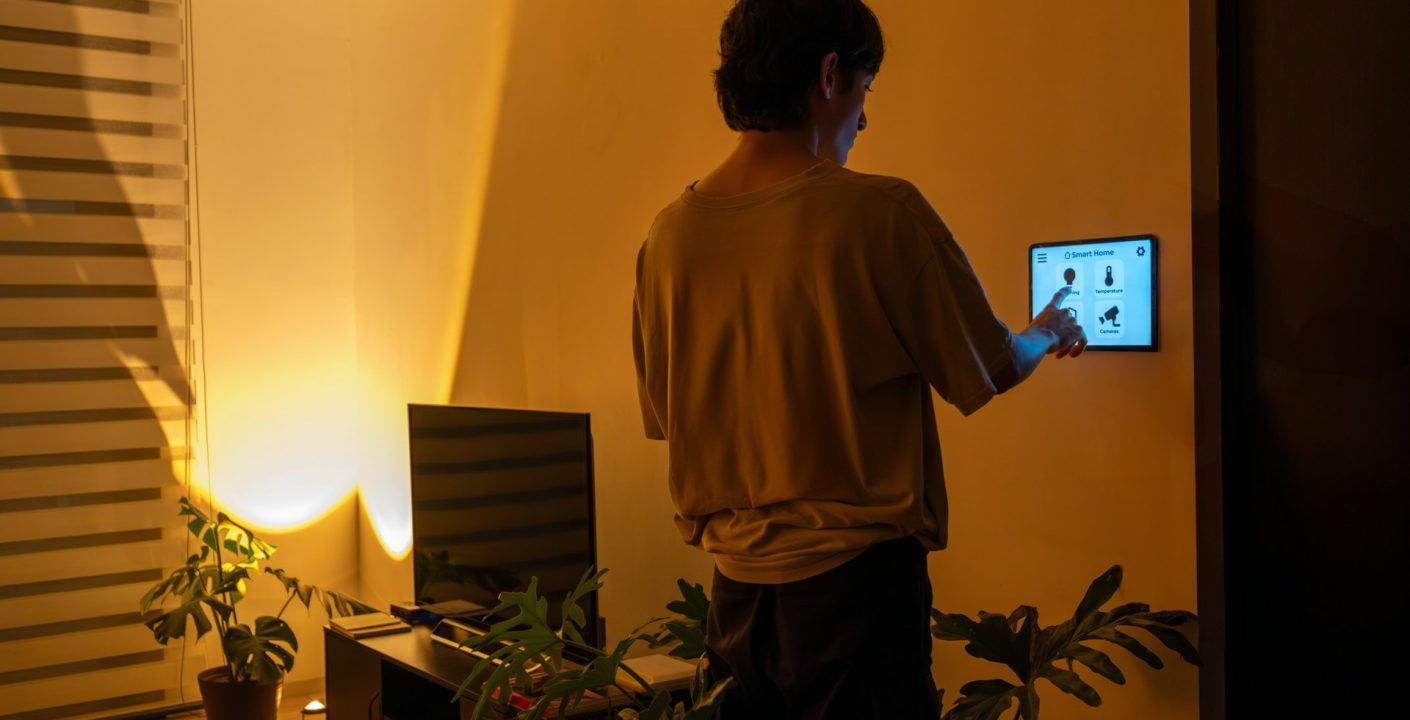
- App-based or web-based control for zones, floors, or entire buildings
- Schedules that match business hours and cleaning or maintenance times
- Custom scenes by space type, like offices, break rooms, or display areas
- Alerts when lights are left on outside of expected patterns
Instead of walking floors to flip switches, staff can see what is on, what is dimmed, and where energy is going, all in one place.
Cutting Energy Bills and Meeting Toronto Standards
Smart lighting control in Toronto is not only about comfort, it is also about running buildings more efficiently. A few key features tend to drive savings:
- Occupancy sensing, so lights dim or turn off when spaces are empty
- Daylight harvesting, where fixtures lower output when natural light is strong
- Granular dimming, which fine-tunes levels instead of using only on or off
In office towers, for example, open-plan areas along the windows might stay at lower output for much of the workday because daylight is already doing part of the job. Meeting rooms can shift to low standby levels when unused, instead of staying fully lit between bookings. In plazas or mixed-use buildings, corridors and lobbies can run at a comfortable but lower level overnight, then brighten as people arrive in the morning.
Smart lighting can also support compliance with Ontario energy codes and local green building goals. By documenting how lighting responds to occupancy, daylight, and programmed schedules, owners can show how they are reducing wasted power. Many corporate ESG programs now look closely at building operations, and lighting control is one of the easier building systems to monitor and report on.
Peak-demand periods in warmer months can be another pressure point. When AC loads rise, every extra watt of lighting adds to the total demand on the building. With coordinated lighting control, buildings can:
- Apply small dimming reductions across large areas without hurting comfort
- Prioritise daylight harvesting near windows
- Run peak-demand scenes that temporarily lower lighting in non-critical spaces
These strategies can help ease strain on electrical systems and lower operating costs over time.
Comfort, Safety, and Brand Experience with Smart Lighting
Good lighting is not only about saving power. It also affects how people feel, how safe they are, and how a brand comes across.
In open offices and shared workspaces, tunable white lighting and dimming can:
- Support focused work with cooler, brighter light during key hours
- Create softer light for collaboration zones or quiet areas
- Reduce glare and eye strain by matching levels to tasks and screens
Meeting rooms can have scenes for presentations, video calls, and workshops, all available from a simple keypad or app. Staff do not need to guess which switch controls what.
When lighting ties into security, it can do even more. Motion-triggered lights in parking lots, loading docks, and outdoor paths can help people feel safer at night. In lobbies and corridors, illuminated paths and emergency overrides can support clear movement during alarms or power events. Security cameras often see better with the right light level, so coordinated lighting can also support clearer images.
For retailers, restaurants, and hospitality spaces across Toronto, scene-based control is a powerful design tool. It can:
- Highlight products or feature areas with accent light
- Shift mood between daytime and evening service
- Support events or seasonal displays with minimal manual changes
Brand identity is not only signage and colours, it is also how a space feels the moment someone walks in. Smart lighting helps keep that feeling consistent and adaptable.
Integrating Lighting With IT, Automation, and Security
Modern lighting control systems are digital, so they naturally touch IT. Treating lighting as part of the building’s digital infrastructure brings several benefits:
- Centralised management for multiple sites or floors
- Data on occupancy patterns and usage trends
- Remote monitoring and support
At Safe Touch Solutions, our focus on electrical, IT, automation, and security lets us link lighting to other building systems. Lighting can respond to access control events, like lights coming on when doors unlock in the morning. It can align with security cameras to keep key zones properly lit when motion is detected or when alarms trigger. It can also tie into building automation so lighting, HVAC, and other systems work together, not against each other.
Because lighting now sits on networks, cybersecurity matters. Good practice often includes:
- Network segmentation, so lighting stays on its own secure path
- Role-based access, so only approved staff can change key settings
- Encrypted connections for cloud-based management
Planning for updates and future expansion helps keep systems flexible as buildings grow, change tenants, or add new technologies.
Planning a Smart Lighting Upgrade in the GTA
A smart lighting upgrade works best when it follows a clear roadmap. For most commercial buildings, that starts with:
- Auditing existing fixtures, controls, and wiring conditions
- Defining goals by area, such as savings, comfort, safety, or brand impact
- Evaluating ROI by focusing first on high-use or high-cost spaces
- Choosing a phased rollout to reduce disruption to tenants
Seasonal timing can help. Interior work can be easier to schedule when longer days provide more daylight, and exterior lighting upgrades are often more comfortable to complete in milder weather. However, the right timing is whatever best fits building operations and tenant needs.
Professional design and code-compliant installation are important for long-term reliability. Staff training is just as important. When building operators, property managers, and tenant representatives understand how to use scenes, schedules, and overrides, the system is more likely to be used properly instead of bypassed. Ongoing support helps keep software, sensors, and fixtures performing as expected as occupancy patterns shift over time.
Smart lighting control in Toronto is not only about new gadgets, it is about making each space work better for the people who use it every day while keeping energy use under control. With careful planning and the right integration across electrical, IT, automation, and security, commercial properties across the GTA can turn lighting into a flexible, responsive part of their building strategy.
Get Started With Your Project Today
If you are ready to upgrade comfort, convenience, and security at home, Safe Touch Solutions is here to help design and install tailored smart lighting control in Toronto. We will walk you through the best options for your space, from simple scene control to whole-home integration. Reach out today to discuss your goals, request a quote, or schedule a consultation, and feel free to contact us with any questions.