Protecting Every Floor with Smarter Security
Commercial multi-tenant buildings in Toronto see a lot of movement, especially when leases turn over and new tenants move in. More people coming and going means more risk at your doors, elevators, and parking areas. A simple lock and key system cannot keep up with different business hours, visitor patterns, and security needs.
When different companies share the same lobbies and services, one weak spot can affect the whole property. A well-planned commercial security system in Toronto blends access control, video, and clear rules for who can go where. Done right, it protects people, property, and the building’s reputation.
At Safe Touch Solutions, we work with local commercial properties every day, so we see what works and what causes headaches. Let us walk through how layered design, smart tech choices, and good tenant separation keep your building secure now and ready for whatever comes next.
Understanding Security Challenges in Toronto Multi‑Tenant Buildings
Multi-tenant buildings in the Greater Toronto Area deal with a mix of risks and users. You might have office tenants, clinics, co-working spaces, retail units, and maybe a restaurant or café, all sharing the same doors and parking.
In Toronto, pressure points often come from the pace and variety of daily activity. Busy downtown and suburban traffic brings a constant flow of visitors, mixed-use properties place public and private areas side by side, and after-hours cleaners, contractors, and deliveries still need legitimate access at odd times.
Security is not only about doors and cameras, it also involves many stakeholders with different priorities and responsibilities. That typically includes landlords and property managers, multiple tenant companies with different policies, staff, clients, delivery drivers, and trades, and even IT teams who care about network security.
On top of that, there are legal duties in Ontario to keep premises reasonably safe. There are also privacy rules to respect when recording video, including clear signage and sensible retention periods. If security is not planned well, problems can include:
- People from one tenant wandering into another tenant’s suite
- Disputes when incidents happen in camera blind spots
- Lost keys leading to rekeying and downtime
- Alarm and access systems failing because they are not designed as one whole
Designing Layered Security for Commercial Buildings
Strong security in a multi-tenant building works in layers. Instead of thinking about each door or device on its own, it helps to think in zones that support each other:
- Perimeter: parking entrances, exterior doors, loading docks
- Common areas: main lobby, reception, shared washrooms, amenities
- Vertical movement: elevators and stairwells
- Tenant suites: offices, clinics, server rooms, storage
A modern commercial security system in Toronto often includes a mix of:
- Electronic access control (cards, fobs, or mobile credentials)
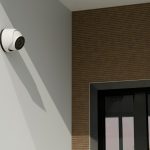
- Monitored video surveillance
- Intrusion detection for off-hours protection
- Intercom and visitor management at key entry points
At the main entrances, best practice usually means controlled doors that work with your fire and life-safety systems, clear paths for staff and visitors, and secure loading areas for deliveries. Doors and frames need to match the access control hardware, so electrical, security, and door trades must work together.
Vertical access control is just as important. Elevator control can allow a card or fob to open only certain floors. Stairwells might be free for emergency exit but locked in the other direction so people cannot move between tenant floors unchecked. Proper zoning keeps staff in the areas they are supposed to use.
Since building systems are expected to run all the time, you also need to plan for backup power to keep critical devices running, network layouts that keep security online even if one part fails, and remote management so property managers can lock or unlock doors, adjust schedules, or review alerts without always being onsite.
Integrating Access Control, Video, and IT Networks
Security devices now live on the same IT networks that support tenant business operations. If this is not designed properly, you can end up with slow systems, security gaps, or IT conflicts.
Key access control decisions include:
- Credential type: cards and fobs are common, but mobile credentials are growing
- Role-based permissions: groups by tenant, role, or floor
- Time schedules: different rules for weekdays, weekends, and holidays
- Temporary access: safe ways to give short-term access to visitors and contractors
- Audit trails: clear logs for incident review
Access control and video work best when they are planned together. In practice, that typically means cameras at every controlled door and elevator lobby, recording that is triggered by access events or forced door alarms, and quick searches by cardholder name, door location, or time window.
IT planning is just as important as where you place the readers and cameras. That means:
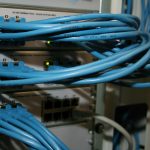
- Enough network capacity for multiple HD cameras
- Segmented traffic, often with separate VLANs or networks for security
- Encrypted connections and strong password policies
- Early coordination between building and tenant IT teams
Many buildings now look at cloud or hybrid systems. These can allow:
- Remote changes to schedules for seasonal hours
- Easier onboarding and removal of users across multiple tenants
- Central oversight for property managers who handle several sites
Keeping Tenants Separate While Sharing Infrastructure
Tenant separation is at the heart of good multi-tenant security. The goal is simple: everyone shares lobbies and amenities, but nobody can quietly slip into another company’s suite, storage, or server room.
The system design should support this idea from day one. One central commercial security system in Toronto can be set up so each tenant functions like their own private environment, with clear access and data boundaries. Some key strategies are:
- Floor zoning: cards programmed only for the floors a person needs
- Suite-level control: readers on tenant doors and critical rooms
- Separate alarm partitions, with each tenant controlling their own arming rules
- Different after-hours rules by tenant, not one rule for the entire building
Privacy is also important, because tenants should not be able to see each other’s camera views or event logs. Reporting can be structured so that:
- Tenants receive only their own access and alarm reports
- Building managers see the full picture without exposing one tenant’s data to another
- Incident reports separate what happened at the building level from what happened inside a tenant’s space
This type of clear separation makes life easier for owners and property managers too. It helps:
- Clarify who is responsible for which parts of the system in leases
- Simplify tenant turnover when a suite changes hands
- Make the building more attractive to tenants who take security and privacy seriously
Future‑Proofing Your Building for Growth
Spring is often when capital projects and fit-outs pick up, so it is a good time to think about upgrades. A smart design today means fewer disruptions when you add new tenants, remodel a floor, or change layouts later.
Scalability starts with the basics:
- Extra cabling runs to likely future door and camera spots
- Network infrastructure with room to add more devices
- Reader and camera locations planned for future walls and doors
Current trends in commercial security include:
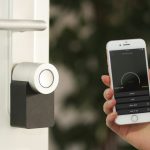
- Mobile credentials in place of traditional plastic cards
- AI-assisted video analytics that can flag unusual behaviour or loitering
- Integration with building automation for lighting and HVAC based on occupancy
- Touchless entry expectations at main doors and washrooms
Good security is not a one-time project; it needs ongoing care. That includes regular reviews of access levels and users, prompt removal of former staff from the system, seasonal schedule changes for holidays and special events, and periodic check-ins with tenants about pain points and new needs.
When you invest in thoughtful design and maintenance, you reduce emergency service calls, surprise lock changes, and tenant complaints. You also build a property that stands out in Toronto’s busy commercial market as a safe, well-managed place to work.
Protect Your Business With Trusted Commercial Security Today
If you are ready to upgrade your protection, we can design and install a tailored commercial security system in Toronto that fits your building, staff, and daily operations. At Safe Touch Solutions, we take the time to understand your risks so your cameras, access control, and alarms work together smoothly. Talk to our team about your goals, budget, and timeline, and we will recommend a clear path forward. To schedule a consultation or request a quote, simply contact us today.