Smart Home Setup in Toronto: What Is Really Involved
A smart home is simply a home where key things are connected and can talk to each other. For most people in Toronto and the GTA, that means app or voice control for lighting, thermostats, door locks, cameras, speakers, and sometimes blinds or garage doors. Some setups focus on comfort, some on security, and some on saving energy, but they all rely on the same idea: your devices work together instead of each one doing its own thing.
Interest in smart homes keeps growing around the city. People upgrade while planning renovations, turning spare rooms into offices, or getting ready for trips and wanting better security. Condo residents look for smart locks and cameras that fit building rules, while homeowners often want full lighting and security scenes inside and outside.
The big choice is whether you try a DIY approach or bring in a smart home installer in Toronto. That choice affects how much time you spend troubleshooting, how reliable your system feels day-to-day, and how ready your home is for the next round of upgrades.
Comparing Costs: DIY vs Smart Home Installer in Toronto
DIY can look cheaper at first. You buy a few devices from a store or online, download some apps, and start pairing things. But once you go past a couple of smart bulbs or plugs, the real cost picture starts to change.
With DIY, you may end up paying for:
- Devices that do not work well together
- Extra hubs and bridges you did not plan for
- Tools or accessories you only use once
- Software or cloud subscriptions you did not notice at checkout
On top of that, there are hidden costs of trial and error. When people guess on gear or wiring, they can:
- Buy items twice because the first choice was wrong
- Damage walls, trim, or electrical boxes that then need repair
- Spend evenings and weekends fixing odd glitches instead of relaxing
A smart home installer in Toronto usually looks at the home as a whole and plans from the start. The value is not just in putting in the gear; it is in doing it in a way that works long term. A planned system can support:
- More consistent energy use through smarter heating, cooling, and lighting
- Better first impressions when it is time to sell or rent
- Fewer emergency calls when something fails just before a trip or during bad weather
When things are designed to work together from day one, you are less likely to pay again later to rip it out and start over.
Safety, Wiring, and Code Compliance in the GTA
Some smart devices are fairly low risk. Many people feel fine plugging in:
- Smart speakers
- Basic smart bulbs
- Plug-in smart outlets
- Stand-alone Wi-Fi cameras that sit on a shelf
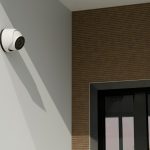
Where it gets risky is anything that ties into your electrical system or structure. Hardwired smart switches, outdoor wiring for cameras and lights, smart panels, and any low-voltage cabling that passes through walls or ceilings can create real safety issues if they are not handled correctly.
In Ontario, electrical work must follow rules set by the Electrical Safety Authority and local building codes. Many condo boards and townhouse communities also have strict policies about who can touch wiring, what can go in shared spaces, and how visible devices are on the exterior of the building. Ignoring these rules can lead to:
- Failed inspections later when you go to sell
- Fines or warnings from a condo board
- Safety risks for your family or neighbours
A professional installer that works across electrical, low-voltage, IT, and security can bring these pieces together with the right permits and insurance in place. That way, your smart gear is not only convenient, it is also safe and compliant behind the walls, in the panel, and on the network.
Performance, Reliability, and Everyday Convenience
DIY smart homes tend to grow one gadget at a time. You add a smart plug, then a thermostat, then a doorbell, each with its own app. After a while, your phone is full of icons, and nothing feels consistent. Devices stop talking to each other, or your Wi-Fi slows down because too many things are fighting for the same signal.
This gets even more obvious in typical Toronto homes, where building types can create performance challenges:
- Older houses with aging wiring or limited outlets
- Brick or concrete condo walls that weaken Wi-Fi signals
- Long, narrow townhomes where one router cannot serve the entire space
- Busy neighbourhoods with a lot of overlapping wireless networks
A smart home installer in Toronto starts by looking at coverage, placement, and load. The plan often covers:
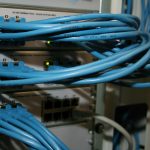
- How your Wi-Fi and wired network should be laid out
- Where to place access points, hubs, and controllers
- Which devices should connect on which band or protocol
- How to keep remote access secure but still easy to use
When the system is designed this way, lights respond quickly, cameras stream smoothly, and smart locks or alarms behave predictably. People who are not tech-savvy can use a single app, a wall keypad, or simple voice commands, instead of juggling logins and menus.
When DIY Makes Sense and When to Call a Pro
Some projects are small enough that DIY can work for many people, especially in rentals or condos with strict rules. These might include:
- Smart speakers and voice assistants
- A few smart plugs to control lamps
- Simple smart bulbs in easy-to-reach fixtures
- A basic indoor camera that does not need wiring
Once you want more than a few isolated devices, the balance starts to shift. It is usually better to involve a pro when you are looking at:
- Whole-home or multi-unit security systems
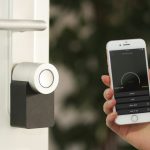
- Smart locks, door controls, and gate access
- Multi-room audio or TVs linked to one control system
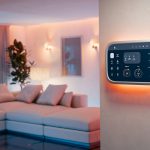
- Integrated lighting scenes that match time of day or activity
- Smart thermostats tied into your HVAC system
- Any new build or major renovation where walls are open
If you are unsure which side you are on, a quick self-check can help. Ask yourself:
- What is my real budget for the full project, not just the first device?
- How much time do I honestly want to spend troubleshooting?
- How comfortable am I with electrical work or network setup?
- Is this a condo, townhouse, or detached home, and what rules apply?
- Do I plan to expand this setup over the next few years?
If your answers point to a larger, long-term system, a professional plan usually saves stress and surprises.
Plan Your Toronto Smart Home the Right Way
The best time to plan smart upgrades is before you are in a rush. Many GTA homeowners use late winter and early spring to think through what they want ready for warmer months: better backyard lighting, smoother work-from-home days, or stronger security before travel. Businesses also look at office and shop upgrades when they are refreshing other systems.
A helpful approach is to split your wish list into two columns. On one side, list the small, low-risk items you are comfortable setting up yourself. On the other side, put the projects that touch electrical wiring, impact building structure, handle security, or need to be rock-solid every single day.
At Safe Touch Solutions, we work with homeowners and businesses across the Greater Toronto Area on smart home planning that fits real life. We can review your current wiring and network, talk through how you use your space, and build a clear roadmap so your system grows in a safe and organized way over time.
Get Started With Your Project Today
Ready to make your home more comfortable, secure, and easy to manage every day? As your local smart home installer in Toronto, Safe Touch Solutions will help you design and set up a system that fits the way you actually live. We take the time to understand your routines, priorities, and budget so everything works together seamlessly from day one. Reach out to our team to talk through your ideas or request a quote on our contact us page.